Source Biodegradable Hdpe Laundry Bags for Hotels, Travel, and Storage
Source biodegradable hdpe laundry bags from 30 verified listings. Compare customizable sizes, drawstring styles, and eco-friendly materials like PLA+PBAT for hotel amenities, travel kits, and bulk storage needs; compare the available evidence and request quotations based on your requirements.
Key considerations
Products List


Comprehensive Sourcing Guide
Biodegradable HDPE Laundry Bags Sourcing Guide
Procurement teams must first distinguish between standard high-density polyethylene (HDPE) and true biodegradable variants, as the supplied data indicates a mix of materials including PE, PLA, PBAT, and starch blends. While some listings explicitly mention bio-degradable features, others describe standard plastic laundry bags, requiring buyers to verify the specific polymer composition before finalizing orders. This distinction is critical because standard HDPE does not degrade in natural environments, whereas the biodegradable options listed rely on specific additive technologies or compostable blends to meet environmental claims.
Buyers should also scrutinize the intended application context, as the observed product range spans from general storage to specialized hotel and travel use cases. The data confirms that these bags are often designed as disposable items with drawstring closures, yet the "biodegradable" attribute is not universal across all listed models. Consequently, procurement strategies must include a clear definition of the required end-of-life scenario, ensuring that the selected supplier provides the exact material formulation—whether it be EPI, D2W, or starch-based—that aligns with the buyer's sustainability goals and waste management infrastructure.
Product Scope and Observed Listing Signals
The market for these bags presents a wide variance in physical dimensions, with observed specifications ranging from compact travel sizes to large commercial laundry bags measuring up to 914mm by 990mm. Buyers must carefully match the product standard to their operational needs, as the data shows specific size configurations like 660*840mm or 40"*48" alongside customizable options. This variability suggests that a single supplier may offer multiple SKUs, necessitating a precise request for samples that match the exact dimensions required for the specific laundry or storage volume being managed.
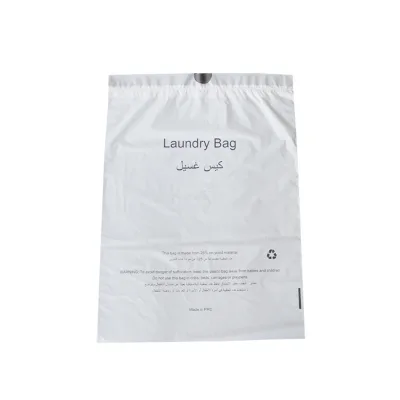
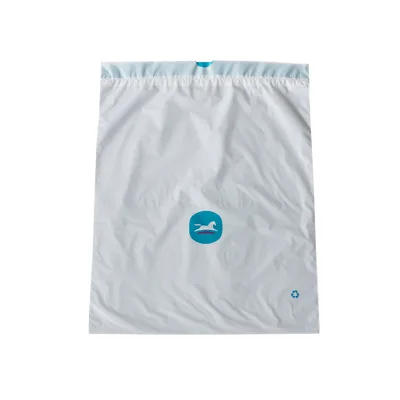
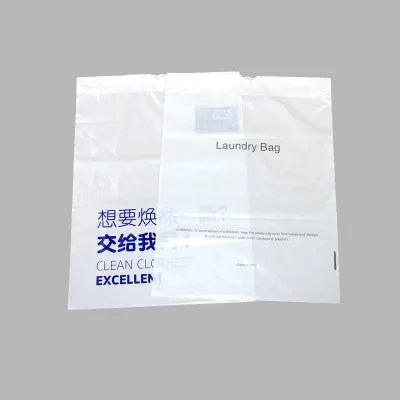
Another critical signal in the listings is the diversity of packaging and branding capabilities, with some suppliers offering customized logos and colors while others provide standard white or multi-color options. The data indicates that customization is widely available, including the ability to accept specific branding and design services, which is essential for hotels or retail chains seeking branded disposable laundry solutions. However, buyers must verify if the customization process impacts the biodegradability of the final product, as certain inks or additives used for branding could interfere with the composting or degradation process of the base material.
Technical Specifications to Verify
Thickness and material composition are the primary technical variables that determine the durability and environmental performance of the laundry bag. The supplied facts highlight that thickness is often customizable, and materials range from pure PE to complex blends like PLA+PBAT+starch, which directly influence the bag's tensile strength and degradation rate. Procurement teams must request detailed technical data sheets that specify the exact percentage of biodegradable components, as a bag labeled "biodegradable" might still contain a high percentage of conventional plastic that compromises its environmental profile.
Closure mechanisms and structural integrity are equally important, with the observed products predominantly featuring drawstring styles designed for secure containment of wet or soiled items. Buyers should verify the single gross weight and package dimensions to ensure the bags can withstand the weight of a full load without tearing, especially since the data lists weights ranging from 0.010 kg to 0.080 kg per unit. It is essential to confirm that the drawstring mechanism remains functional after the bag is filled and that the material does not become brittle when exposed to moisture, which is a common failure point for biodegradable plastics in laundry applications.
Compliance and Safety Documentation
Certification status is a non-negotiable element of the procurement process, as the data explicitly mentions ISO9001 certification for some suppliers, indicating a baseline for quality management systems. However, buyers must go beyond general quality certifications to demand specific environmental compliance documents that validate the biodegradability claims, such as EN13432, ASTM D6400, or ISO 14855 test reports. Without these specific third-party test results, the "bio-degradable" label remains an unverified assertion that could lead to regulatory non-compliance or greenwashing accusations in the buyer's target market.
Safety documentation must also address the potential for chemical leaching, particularly since the bags are intended for use with laundry items that may come into contact with skin or food residues. Buyers should require a declaration of conformity stating that the materials used, including any additives like EPI or D2W, are free from heavy metals and toxic substances. The absence of specific safety data sheets (SDS) or material safety declarations in the provided facts underscores the need for buyers to proactively request these documents to ensure the product meets the safety standards of the destination country.
Cost Drivers and Commercial Terms
Pricing in this sector is heavily influenced by the complexity of the material blend and the scale of the order, with observed minimum order quantities (MOQs) ranging from 5,000 to 100,000 pieces. The data shows a significant price variance, with some listings indicating very low unit costs while others reflect higher prices for specialized biodegradable formulations. Buyers must understand that the cost of PLA, PBAT, and starch blends is typically higher than standard PE, and this premium is often passed on to the customer, making volume negotiation a critical component of the commercial strategy.
Lead times and production capacity are also key commercial factors, with the data indicating a production capacity of up to 5,000,000 pieces per month and a standard lead time of 30 days. However, the variability in lead times suggests that customizations, such as specific colors or logos, may extend the production schedule beyond the standard window. Procurement teams should factor in these potential delays when planning inventory, especially for seasonal peaks in the hotel or travel industry, and negotiate clear penalties for delays to mitigate supply chain risks.
Supplier Qualification and Quality Control
Supplier qualification requires a rigorous assessment of their manufacturing location and production capacity, as the data points to origins in Anhui, Shandong, and Anqing, China. Buyers should verify that the supplier has the necessary infrastructure to handle the specific production process for biodegradable plastics, which often requires different machinery and environmental controls compared to standard plastic bag manufacturing. The presence of multiple model numbers and varying specifications suggests that some suppliers may be trading companies rather than direct manufacturers, necessitating a factory audit to confirm production capabilities.
Quality control protocols must be established to ensure consistency across batches, particularly given the variability in material properties observed in the listings. Buyers should implement a strict incoming quality inspection plan that tests for tensile strength, tear resistance, and the actual degradation rate of the material. Since the data mentions "High Quality" as a general attribute, it is imperative to define specific quality metrics and acceptance criteria in the purchase agreement to prevent the receipt of substandard products that fail to meet the promised biodegradable performance.
Long-Term Procurement Checks
Sustainability verification is an ongoing requirement, as the biodegradability of the product must be maintained over the entire lifecycle of the supply relationship. Buyers should schedule periodic re-testing of the product to ensure that the supplier has not altered the material formulation to reduce costs, which could compromise the environmental claims. This long-term monitoring is essential to maintain the integrity of the buyer's sustainability reporting and to ensure that the products continue to meet the evolving regulatory standards of the target markets.
Supply chain resilience is another critical long-term consideration, as the reliance on specific biodegradable materials can create vulnerabilities if raw material availability fluctuates. Buyers should develop a diversified supplier base to mitigate the risk of production stoppages, ensuring that alternative sources are available if the primary supplier faces capacity constraints or raw material shortages. Regular reviews of the supplier's production capacity and financial stability will help ensure a consistent supply of high-quality biodegradable laundry bags that meet the buyer's operational and environmental requirements.
FAQs
What materials are used for biodegradable laundry bags?
These bags are typically made from PE, EPI, D2W, or PLA blended with PBAT and starch. This composition allows the product to remain durable during use while ensuring it is bio-degradable and suitable for disposable applications in hotel or travel settings.
Can I customize the size of these plastic bags?
Yes, customized sizes are accepted for these laundry bags. Standard dimensions include 45*55cm, 20x30 inches, or 26x36 inches, but you can request specific measurements to fit your storage or packaging requirements, ensuring the product meets your exact operational needs.
What is the minimum order quantity for these bags?
The minimum order quantity is generally 5000 pieces. This baseline ensures efficient production runs for manufacturers. Buyers should verify specific MOQs with suppliers, as some may offer flexible terms for initial trials or smaller batches depending on the customization level required.
Are these bags suitable for hotel use?
Yes, they are explicitly designed for hotel use. Their disposable nature and moisture-proof features make them ideal for guest laundry services. The drawstring style provides secure closure, preventing leaks and maintaining hygiene standards within hospitality environments while offering a professional appearance.
Do suppliers offer custom logo printing services?
Yes, customized logos are accepted for these products. Suppliers provide design services to help you create branding that fits your identity. This customization allows hotels or retailers to display their brand on the laundry bags, enhancing visibility and reinforcing brand recognition for guests.
What certifications do these manufacturers hold?
Manufacturers often hold ISO9001 certification, indicating adherence to quality management standards. This ensures consistent production quality and reliable performance. Buyers should request current certification documents to verify compliance, ensuring the supplier meets international standards for manufacturing processes and product safety requirements.